02 Nov 2026

Doxwell & Rehabilitation Clinic focuses on maintaining health for people of all ages, helping patients pain and prevent disease.

Remember when you could tackle a full day of work, squeeze in a workout, enjoy an evening out, and still wake up ready for more? Somewhere along the way, that seemingly endless supply of energy and enthusiasm may have started to fade. Suddenly, activities you once looked forward to feel like obligations, your ambition isn’t quite what it used to be, and finding the motivation to get things done requires more effort than ever.
It’s easy to dismiss these changes as an inevitable part of getting older. After all, everyone slows down eventually, right? Not necessarily. While aging brings natural changes to the body, a noticeable decline in energy, motivation, and overall enthusiasm for life isn’t something you should automatically accept. In many cases, there are identifiable factors contributing to these changes, and addressing them may help you feel more like yourself again.
As we get older, our bodies undergo changes that can influence everything from physical stamina to mental clarity. Hormone production shifts, metabolism changes, sleep patterns may become disrupted, and the body’s ability to recover from everyday stress can decline.
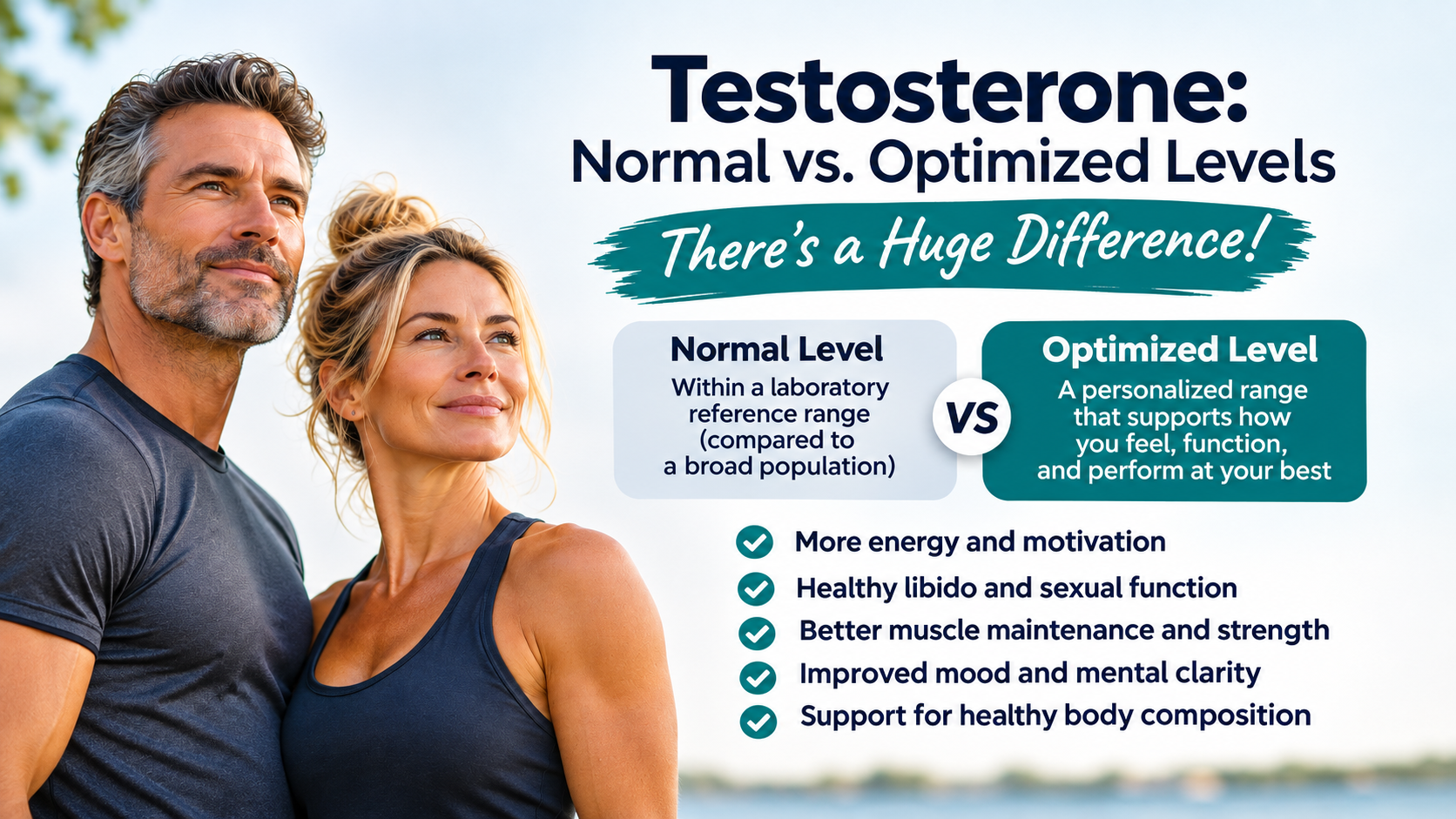
For men, gradually declining testosterone levels may contribute to reduced energy, decreased libido, changes in body composition, and diminished physical performance. Women navigating perimenopause and menopause may experience fluctuations in estrogen and progesterone that affect sleep quality, mood, concentration, and overall well-being.
However, hormones are only part of the picture. Thyroid disorders, nutritional deficiencies, chronic stress, poor sleep, certain medications, depression, and metabolic health issues can also play significant roles in how motivated and energetic you feel.The important distinction is that feeling less driven doesn’t necessarily mean you’ve become less ambitious. Your body may simply be struggling to provide the physical and mental resources you need to maintain your usual pace.
Hormones function as chemical messengers, influencing numerous systems throughout the body. They help regulate metabolism, sleep, muscle maintenance, sexual function, and emotional well-being. When hormone levels change significantly, the effects can sometimes extend beyond physical symptoms.
You might notice that you’re no longer excited about activities you once loved. Your workouts feel harder, your concentration isn’t as sharp, or your interest in intimacy has diminished. Perhaps you find yourself procrastinating more often, even when you genuinely want to accomplish something.
For individuals with clinically significant hormone deficiencies or troublesome menopausal symptoms, appropriate treatment may help improve certain aspects of quality of life. Testosterone replacement therapy, for example, may benefit men with confirmed testosterone deficiency, while menopausal hormone therapy may be appropriate for some women experiencing disruptive symptoms.
But hormone therapy isn’t a universal motivation booster, and these symptoms don’t automatically indicate a hormonal imbalance. Identifying the actual cause is essential before deciding which treatment, if any, makes sense.
Sometimes the problem isn’t that you’ve lost interest in life. It’s that your brain feels too exhausted to participate.
Mental fatigue can make routine decisions feel overwhelming, reduce concentration, and interfere with productivity. You may find yourself reading the same paragraph three times, forgetting why you walked into a room, or struggling to organize tasks that once came naturally.
Sleep disturbances are a particularly important contributor. Even when you’re spending enough hours in bed, conditions such as sleep apnea, chronic stress, and frequent nighttime waking can prevent restorative sleep. Over time, inadequate sleep can affect attention, mood, memory, and energy.
Blood sugar regulation, thyroid function, medication effects, and nutritional status may also deserve attention. Rather than assuming mental fatigue is simply a consequence of getting older, a comprehensive health evaluation can help uncover factors that may be treatable.
When your body doesn’t feel good, maintaining motivation becomes considerably more difficult. Changes in muscle mass, increasing body fat, reduced cardiovascular fitness, and metabolic concerns can all influence how energetic you feel throughout the day.
Age-related muscle loss can make everyday physical activities more demanding, particularly when exercise and protein intake have declined. Meanwhile, carrying additional weight may affect mobility, sleep quality, and physical endurance.
The good news is that many of these factors respond to targeted lifestyle changes. Resistance training, appropriate cardiovascular activity, adequate nutrition, and consistent sleep habits can support physical function and long-term health at nearly any age.
For some individuals, medically supervised weight management or treatment of an underlying metabolic condition may also be appropriate. The goal isn’t simply to change a number on the scale. It’s to improve the physical foundation that allows you to participate fully in your life.
One of the biggest mistakes people make when they begin feeling less motivated is assuming they need more discipline. They push harder, drink another cup of coffee, or blame themselves for not accomplishing as much as they once did.
But willpower cannot correct an untreated thyroid condition, restore severely disrupted sleep, or resolve a nutritional deficiency. If your motivation has changed because your health has changed, the solution begins with understanding what’s happening inside your body.
A personalized medical evaluation may include a review of your symptoms, sleep patterns, medications, lifestyle habits, and medical history. Depending on your individual circumstances, laboratory testing may help assess thyroid function, blood counts, metabolic markers, nutritional status, or hormone levels.
The results can provide a clearer picture of whether your symptoms are related to a treatable medical issue, lifestyle factors, hormonal changes, or a combination of influences.
There’s a difference between changing priorities as you age and feeling physically or mentally unable to pursue the things that matter to you. Maybe you want to travel more, start a business, spend active time with your grandchildren, get back into the gym, or simply wake up feeling enthusiastic about the day ahead. Those goals don’t suddenly become less important because you’ve reached your 40s, 50s, 60s, or beyond.
Healthy aging is about maintaining the energy, strength, mental clarity, and overall well-being that allow you to continue enjoying life on your terms.
At Vitality Health, we understand that there is no one-size-fits-all explanation for declining energy or motivation. Our personalized approach to wellness focuses on identifying factors that may be affecting how you feel and developing an individualized plan based on your symptoms, health history, laboratory findings, and goals.
From hormone health and testosterone replacement therapy / hormone replacement therapy for appropriate candidates to metabolic wellness, weight management, and comprehensive health evaluations, our team helps patients explore practical options for improving their health and quality of life.
Your age may be increasing, but that doesn’t mean your enthusiasm for life has to decrease. If you’ve noticed a change in your energy, drive, or motivation, it may be time to find out why.