

02 Nov 2026

Doxwell & Rehabilitation Clinic focuses on maintaining health for people of all ages, helping patients pain and prevent disease.
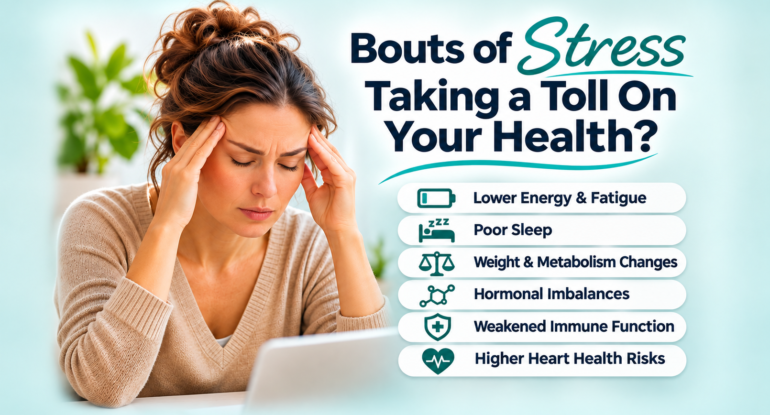
Stress is an unavoidable part of life, but when it comes in repeated waves, your body may be paying a much higher price than you realize. Whether you’re juggling a demanding career, family responsibilities, financial pressures, or unexpected life changes, frequent bouts of stress can gradually affect everything from your energy levels and sleep quality to your hormones, immune system, and cardiovascular health.
While occasional stress is a natural response to challenging situations, repeatedly activating your body’s stress response without adequate recovery can create lasting physiological changes. Understanding how stress affects your health is an important first step toward restoring balance and protecting your long-term well-being.
When you encounter a stressful situation, your brain activates the body’s fight-or-flight response, triggering the release of hormones such as cortisol and adrenaline. These hormones increase your heart rate, elevate blood pressure, sharpen alertness, and temporarily redirect energy away from functions such as digestion and reproduction. In short bursts, this response is helpful. It allows you to react quickly and manage immediate challenges. However, when stressful situations occur frequently, your body may spend too much time in a heightened state of physiological arousal.
Over time, repeated stress responses can disrupt normal hormonal signaling, interfere with restorative sleep, contribute to inflammation, and make it more difficult for your body to recover.
One of the most noticeable effects of ongoing stress is persistent fatigue. Even when you’re getting enough hours of sleep, elevated stress levels can interfere with sleep quality, leaving you feeling exhausted, unfocused, or irritable throughout the day. Stress can also affect metabolism and weight management. Cortisol influences blood sugar regulation, appetite, and energy storage. When stress becomes chronic, some individuals experience increased cravings, difficulty managing their weight, or greater accumulation of abdominal fat.
Hormonal health can also be affected. Stress interacts with the body’s reproductive and thyroid hormone systems, potentially contributing to menstrual irregularities, changes in libido, and worsening symptoms in individuals already experiencing hormonal imbalances.
Your digestive system is another common target. Frequent stress can alter gastrointestinal motility and sensitivity, contributing to bloating, stomach discomfort, changes in bowel habits, and flare-ups of existing digestive conditions.
Perhaps most importantly, prolonged stress is associated with increased risks of high blood pressure, cardiovascular disease, anxiety, depression, and immune dysfunction. These effects may develop gradually, making it easy to overlook the connection between your daily stress levels and your overall health.
Many people assume that once a stressful situation ends, their bodies immediately return to normal. Unfortunately, recovery isn’t always that simple. The fact is that much of America right now is stuck in fight or flight mode. Their nervous system is refusing to reset, and it is problematic.
Poor sleep, inadequate nutrition, limited physical activity, and ongoing emotional demands can interfere with the body’s ability to recover between stressful events. When one stressful episode follows another, the cumulative strain can become increasingly difficult to manage.
This is sometimes described as allostatic load, the physiological wear and tear associated with repeated or prolonged activation of the body’s stress-response systems. As this burden increases, symptoms such as brain fog, headaches, muscle tension, fatigue, and difficulty concentrating may become more frequent.
Managing stress involves more than simply finding ways to relax. It’s also important to understand whether repeated stress is contributing to measurable changes in your overall health.
At Vitality Health, we believe in looking beyond isolated symptoms to understand the factors influencing your well-being. Our personalized approach to wellness considers lifestyle, metabolic health, hormonal balance, nutritional status, and other potential contributors to persistent fatigue and changes in how you feel.
Depending on your symptoms and medical history, a comprehensive evaluation may help identify underlying conditions or imbalances that could be making it harder for your body to manage everyday stress.
Healthy sleep habits, regular physical activity, balanced nutrition, mindfulness practices, and appropriate medical support can all play important roles in improving resilience and recovery.
Feeling constantly tired, overwhelmed, or physically run down shouldn’t automatically be dismissed as a normal consequence of a busy lifestyle. Repeated bouts of stress may be your body’s way of signaling that something needs attention. The sooner you recognize these patterns, the sooner you can begin addressing the factors that may be affecting your health. Vitality Health offers personalized wellness care designed to help you better understand your body and take a proactive approach to long-term health.