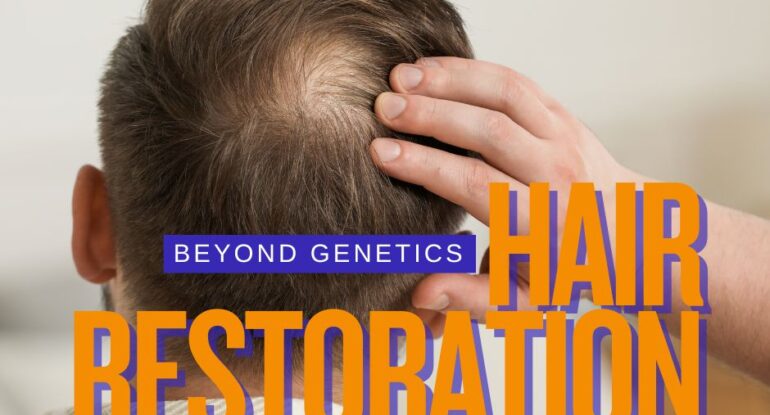
The fact is that medical hair loss treatments can work beyond genetics by targeting the biology driving thinning. At Vitality Health of South Florida, prescription topicals combine Minoxidil, Finasteride, Latanoprost, Melatonin, Azelaic acid, and Ketoconazole to boost growth phase, reduce DHT, calm scalp inflammation, and improve follicle signaling, delivering thicker, denser hair in months.
How this works:
Think of each hair follicle is individual and can change with age and genetics, the shift isn’t just fate; it’s chemistry. To get growth back on track, you need to intervene early and with consistency.
- Extend the growth phase (anagen): Ingredients like minoxidil and latanoprost nudge follicles to spend more time making hair.
- Lower DHT at the follicle: Topical finasteride and azelaic acid help reduce the DHT signal that miniaturizes hairs in male-pattern balding.
- Improve the scalp environment: Melatonin supports follicle antioxidant defense, and ketoconazole helps quiet inflammation and control dandruff that can worsen shedding.
Men often ask, “Do medical hair loss treatments work after 40?” The answer is a resounding YES, if you address these three points together and stick with the plan for months, not weeks.
What each Vitality formula does (and who it’s for)
Here’s how the Vitality Health of South Florida prescription options flow so you make an informed decision.
- Hair Restore L Foam (Latanoprost): This is a prostaglandin analog that can signal follicles to stay in the growth phase longer. This is a good fit for those experiencing early thinning or crown recession. This foam is ideal when you want a once-daily, clean-feel foam without DHT blockers.
- Restore LF Foam (Latanoprost / Finasteride): Adds targeted DHT control (finasteride) to the growth-phase push (latanoprost). It’s a “two-birds” option for men who want visible thickening and less ongoing loss. This option is perfect for those with a receding hairline and crown thinning with family history of male-pattern hair loss.
- Hair Restore LF Extra Strength Foam (Latanoprost / Finasteride): Similar to Restore LF Foam, with an intensified approach for stubborn areas. When someone asks, “What if I need a stronger topical finasteride combo?” This is often it. This option is good for those with moderate thinning where a standard strength prescription plateaued.
- Hair Restore MML Scalp Solution (Minoxidil / Melatonin / Latanoprost): This is the hair re-growth trifecta: minoxidil for blood flow and follicle stimulation, latanoprost for anagen support, melatonin for antioxidant and scalp rhythm benefits. Who is this for? This option is intended to help diffuse thinning, especially if you’re sensitive to DHT blockers or prefer a non-finasteride option.
- Hair Restore Ultra Scalp Solution (Minoxidil / Azelaic Acid / Finasteride / Ketoconazole): The “all-in-one” combo treatment. Stimulate growth (minoxidil), block DHT (finasteride and azelaic acid), and calm scalp inflammation while addressing dandruff (ketoconazole). This is a great fit for men over 40 with ongoing shedding, visible miniaturization, and scalp itch/flaking who want the most comprehensive topical plan.
The Applications:
- Clean, dry scalp: Morning or night
- Apply: Part hair to expose the scalp. Use directed pumps/drops, focusing on thinning zones (crown, hairline, mid-scalp).
- Amount: Use the measured dose provided; more isn’t faster.
- Spread: Gently massage with fingertips for 20–30 seconds.
- Dry time: Let it absorb 10–15 minutes before hats, hair products, or bed.
- Frequency: Typically once daily (follow your prescription).
- Pair with shampoo rhythm: If your plan includes ketoconazole, use it as advised (2–3 times weekly) to support scalp health.
Pro tip: Keep the product next to your toothbrush. Two minutes, one habit. That’s how you win.
What results look like (and when to expect them)
- Weeks 0–8: Less shedding is often the first win. Some men experience a “synchronized shed” early on that’s follicles resetting into a healthier growth cycle.
- Months 3–4: Hair feels thicker at the roots; the shower drain drama eases. Crown coverage improves first for many.
- Months 6–9: Noticeable density, better hairline texture, fewer see-through areas in bright light.
- Months 12+: Maintenance plus incremental gains. Think sturdier strands and slower biological clock.
FAQs:
- How long does topical finasteride take to work? Plan on 3–6 months for visible change, with continued gains at 12 months.
- Can ketoconazole help with dandruff and shedding? Yes, by reducing scalp inflammation and Malassezia overgrowth supports a healthier growth environment.
- Is minoxidil safe long-term? It’s widely used long-term; consistency matters more than intensity.
Who should consider which formula and safety notes
- If your main issue is shedding plus dandruff/itch, Hair Restore Ultra Scalp Solution gives anti-inflammatory plus regrowth in one bottle.
- If you want growth support without DHT blockers, Hair Restore MML Scalp Solution is a strong play.
- If you’re focused on hairline and crown with clear androgenic thinning, Restore LF Foam or Hair Restore LF Extra Strength Foam targets DHT plus growth.
Safety and guidance:
- Topical finasteride is designed to minimize systemic exposure, but discuss your medical history with a clinician.
- Latanoprost may deepen hair pigment or slightly darken skin where applied—usually a cosmetic positive on the scalp.
- Avoid contact with eyes; wash hands after use.
- Not for use by women who are pregnant or trying to conceive.
- Always follow your personalized plan from a licensed provider.
The bottom line is that beyond your genetics, you’re changing the inputs that control hair biology.
Call us at 1-833-4LOWTEE Or contact us through the website and get started. Don’t be dissuaded by the name – we offer telehealth appointments in any of MD licensed states as well as in our office here in Florida.

FDA Disclaimer: This product is not intended to diagnose, treat, cure, or prevent any disease.
If you found this article helpful, please share it with others who might benefit.