
27 Oct 2026

Doxwell & Rehabilitation Clinic focuses on maintaining health for people of all ages, helping patients pain and prevent disease.

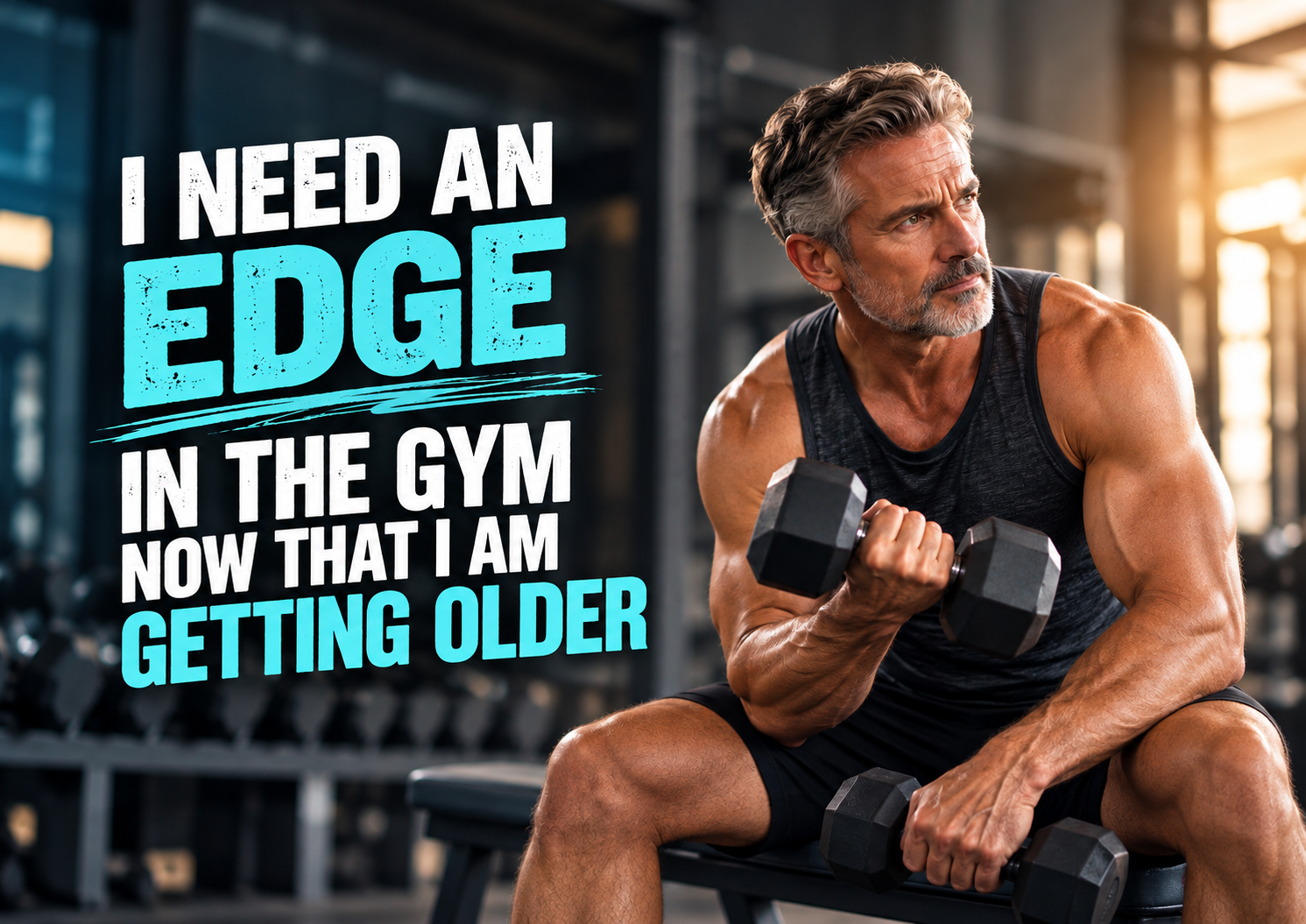
There was a time when you could hit the gym hard, sleep it off, and wake up ready to do it again. Somewhere along the way, recovery started taking longer. Strength gains became slower. Muscle was harder to maintain. Maybe your workouts have not changed much, but your body clearly has. That does not mean you are done making progress. It may simply mean the strategy that worked at 25 is no longer the strategy your body needs at 45 or 55.
Hormonal Shifts
One of the biggest changes with age is the gradual loss of lean muscle. Hormonal shifts, lower activity outside the gym, reduced protein intake, slower recovery, stress, poor sleep, and metabolic changes can all contribute. You may still be working out consistently and wondering why your body composition is changing anyway.
Strength training remains one of the best things you can do. Progressive resistance training gives your body a reason to maintain muscle, while adequate protein provides the building material needed for repair. But training harder is not always the answer. If recovery is poor, constantly increasing intensity can leave you feeling more depleted rather than stronger.
That is where looking beneath the surface becomes useful.
At Vitality Health, comprehensive blood work can help evaluate factors that may be affecting strength, energy, recovery, and body composition. Depending on your symptoms and health history, that may include testosterone and other hormone levels, thyroid markers, metabolic health, nutritional status, and additional testing when appropriate.
For some men and women, clinically significant hormone changes may be part of the picture. Testosterone replacement therapy or hormone replacement therapy may be considered when medically appropriate, but treatment should be based on symptoms, lab results, medical history, and ongoing monitoring, not simply on the desire to perform better at the gym.
Medical weight management may also play a role for people trying to improve body composition, but preserving lean muscle matters during weight loss. That means resistance training, adequate protein, hydration, and recovery remain important whether or not medications such as GLP-1 therapies are part of the plan.
Vitality Health also offers individualized wellness options that may include amino acids, vitamins, IV nutrient therapy, and peptide-based approaches when appropriate. These are not shortcuts around training, sleep, or nutrition. They are tools that may be considered within a broader medical and wellness strategy based on the individual.
Getting older changes the equation, but it does not mean your best training years are automatically behind you. Sometimes the edge you need is not another scoop of pre-workout. It is finally understanding what your body is asking for now. Vitality Health can help you look at the hormonal, metabolic, nutritional, and recovery factors that may be affecting your progress.